Exploring the science behind mycorrhizal fungi and their crucial role in organic fertilizers. Discover how beneficial fungi enhance nutrient absorption, improve plant growth, and contribute to sustainable agriculture in Malaysia.
Mycorrhizae are beneficial fungi that form symbiotic relationships with plant roots, enhancing nutrient absorption and plant health significantly.
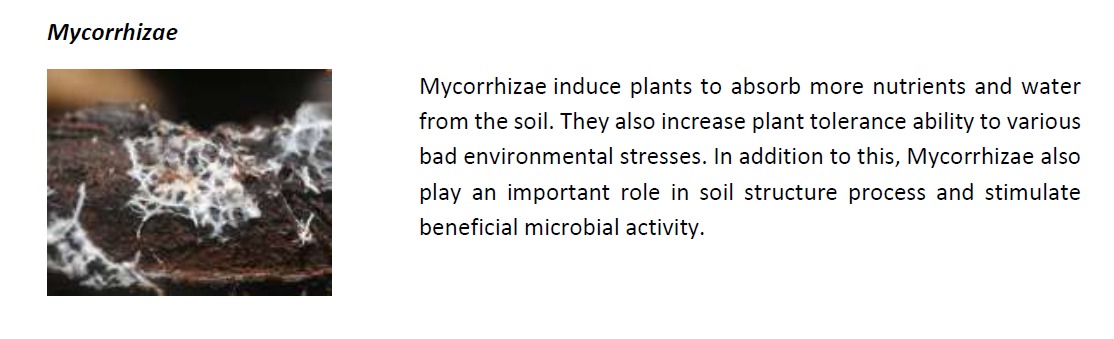
Mycorrhizae extend far beyond the plant's root system, creating an extensive network that dramatically increases the surface area for nutrient absorption. This symbiotic relationship allows plants to access essential nutrients like phosphorus, nitrogen, and micronutrients that would otherwise be unavailable.
Mycorrhizae increase plant tolerance to various environmental stresses including drought, salinity, extreme temperatures, and heavy metal toxicity. The fungal network helps plants maintain water balance and provides protection against pathogenic microorganisms.
Plants with mycorrhizal associations show enhanced growth rates, increased biomass production, and better overall health. The fungi facilitate the uptake of water and nutrients, resulting in stronger root systems and more vigorous plant development.
The extensive hyphal network of mycorrhizae acts like a natural irrigation system, accessing water from deeper soil layers and areas beyond the root zone. This significantly improves water use efficiency and helps plants survive in drought conditions.
Mycorrhizae play a crucial role in soil aggregation and structure formation. The fungal hyphae bind soil particles together, improving soil porosity, aeration, and water retention capacity. This creates a healthier growing environment for plants.
Mycorrhizae stimulate beneficial microbial activity in the rhizosphere. They create a favorable environment for beneficial bacteria and other microorganisms that contribute to nutrient cycling, organic matter decomposition, and overall soil health.
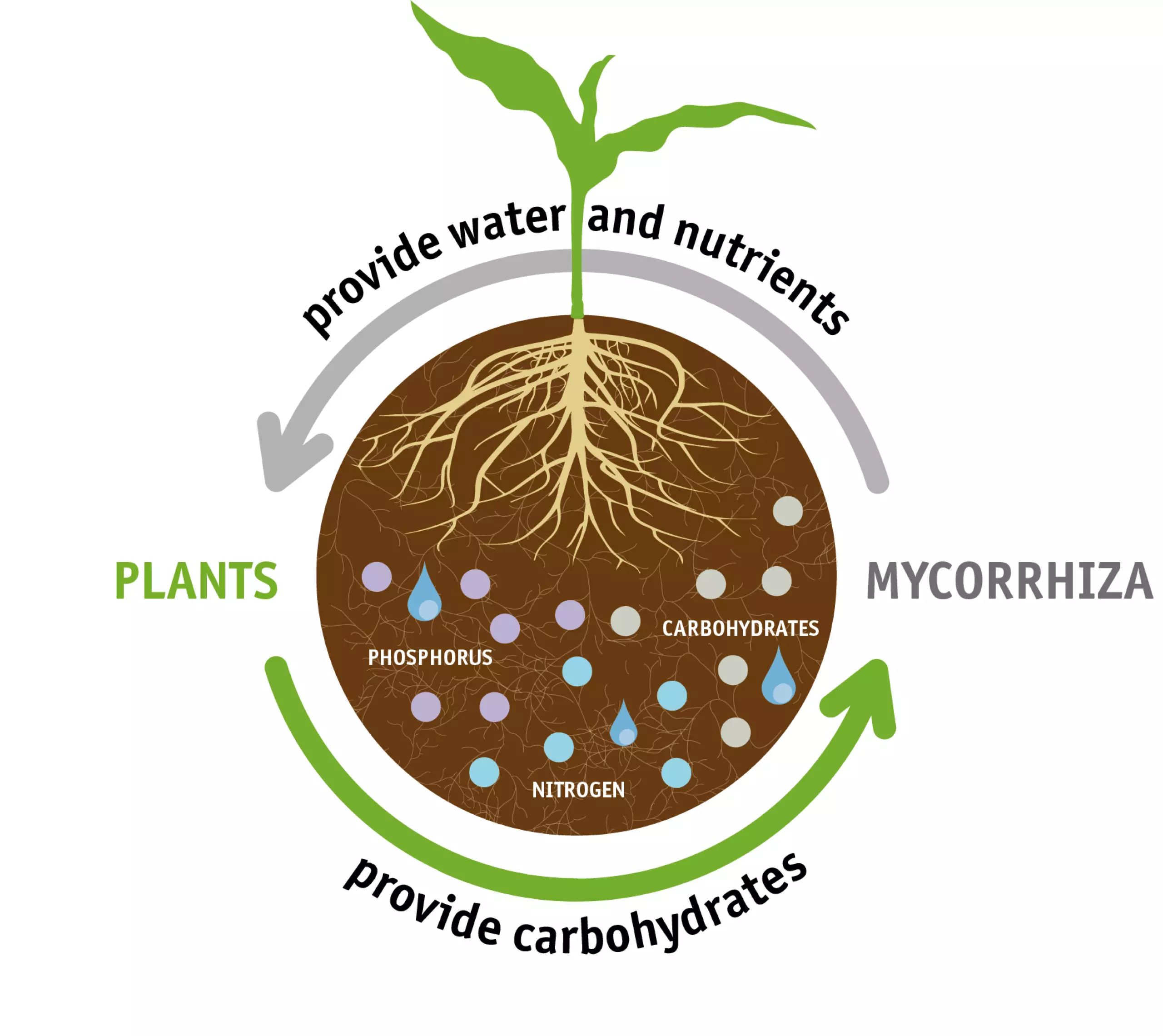
Mycorrhizae transform organic fertilizers into a complete soil health solution. While organic fertilizers provide essential nutrients, mycorrhizal fungi ensure these nutrients are effectively absorbed by plants. Without mycorrhizae, up to 90% of nutrients in organic fertilizers may remain inaccessible to plants.
The inclusion of mycorrhizae in organic fertilizer creates a synergistic effect that maximizes fertilizer efficiency. Plants develop stronger root systems, access nutrients more effectively, and become more resilient to environmental challenges. This combination results in higher yields, better crop quality, and reduced dependency on chemical fertilizers.
For Malaysian farmers, mycorrhizae-enhanced fertilizers are particularly valuable due to variable soil conditions and climate challenges. The improved nutrient uptake and stress tolerance help ensure consistent crop performance even in challenging growing conditions, making it an essential component of sustainable agricultural practices.
Explore our latest research documentation and test results from field trials and laboratory studies.
Comprehensive test report from RISDA (Rubber Industry Smallholders Development Authority) on mycorrhiza testing conducted in October 2025.
RISDA (Mycorrhiza test) Oct 2025.pdf
Download PDFOur research focuses on innovative biotechnology solutions for Malaysian agriculture, specializing in effective microorganisms and organic soil conditioning.
100% Effective Microorganisms fermentation with specialized 21-day heat treatment process at 60-70°C for pathogen elimination and optimal microbial activity.
Advanced research in organomineral soil conditioning, pH optimization, and nutrient enhancement for Malaysian soil types.
Comprehensive studies on crop productivity improvements across major Malaysian agricultural sectors with documented yield increases.